THE SHADOW OF THE BEAST
SHORT FILM
24 min
CATEGORY
Drama
DIRECTOR
Fred Raynaud
PRODUCER
Fabien Quesada
CAST
Julie Dommanget
Simon Braems
Nicolas Jacques
LOG LINE
In 1940s occupied France, a lonely 9-year-old boy interprets the encroaching horrors of war through the lens of a local legend, convinced that the 'Beast of Gévaudan' has returned to hunt his village.
SYNOPSIS
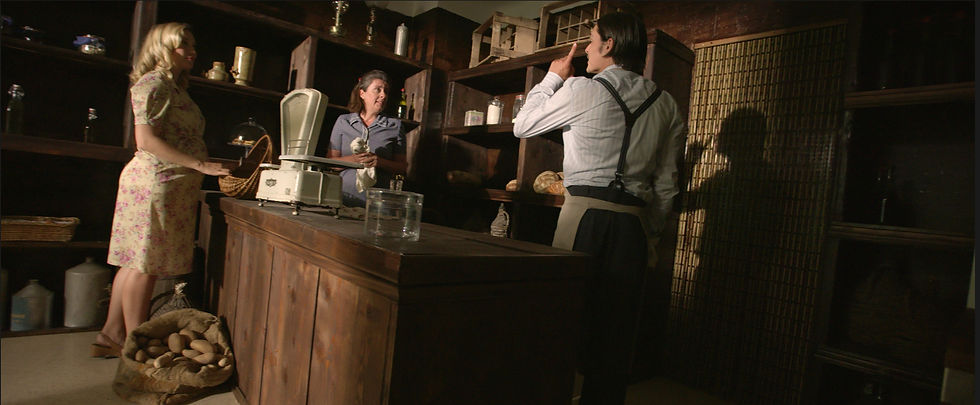
Provence, 1942. Nine-year-old Louis lives in a world of adventure novels and vivid imagination. Accompanied by Pégase, his inseparable wooden toy dog, he navigates a village gripped by a silent, growing tension. While the adults whisper of food shortages, missing neighbors, and nighttime raids, Louis is certain of a different truth: the legendary Beast of Gévaudan has returned.
Seen entirely through Louis’s eyes, the film captures a childhood innocence struggling to make sense of a fractured reality. His father’s bedtime stories of mythical monsters become Louis’s roadmap to understanding the "beast" that is slowly devouring his world. But as the shadows lengthen and the village erupts in flames, Louis finally comes face-to-face with the predator. Only then does he realize that the shiny black paws and ruthless growls of his nightmares belong to a far more human.


Director’s Statement: The Gaze of the Innocent
The Collision of Myth and History
Shadow of the Beast is a sensory descent into a child’s mind during one of history’s darkest chapters. By setting the story in 1940s occupied Provence, I wanted to explore how a nine-year-old, fueled by adventure novels, reinterprets an unbearable reality. To Louis, the encroaching danger isn't a political or military force, it is the return of the legendary Beast of Gévaudan. This film is the confrontation between the purity of imagination and the brutality of the human soul.

The Living Camera: 13 Breaths of Cinema
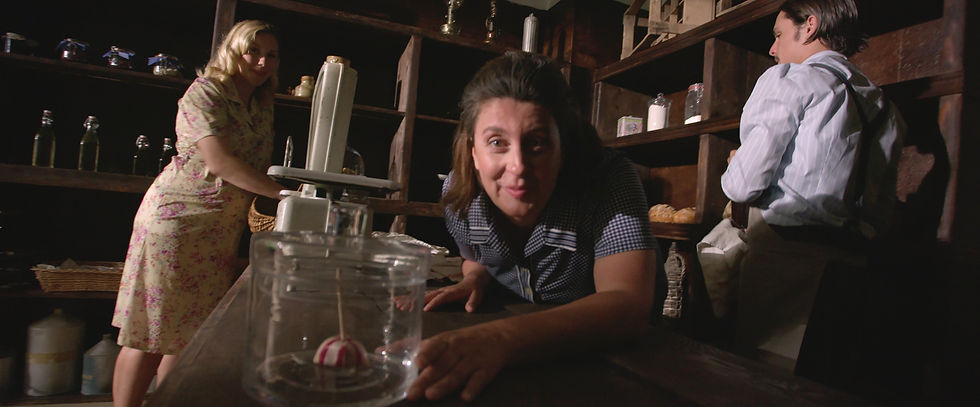
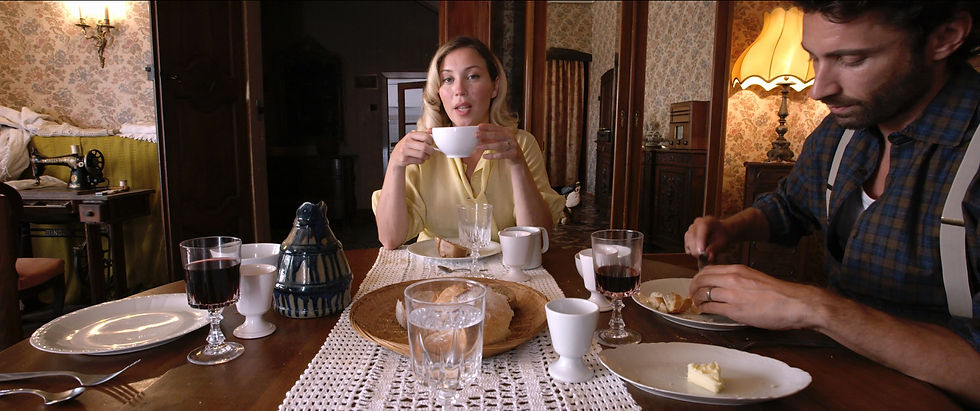
My primary directorial challenge is to make the camera "invisible" by making it human. The film is composed of 13 sequences, each captured in a single, immersive long take . This isn't a technical stunt. It is a narrative necessity. We do not just watch Louis, we are Louis. The camera behaves like a child, running, jumping, crouching, and spying. This "living camera" creates a breathless continuity, trapping the viewer in Louis’s subjective reality where no cut can offer an escape from the mounting tension.

The Staging of Tableaux
Despite the constant movement of the subjective POV, every sequence is meticulously designed as a visual "tableau." The challenge lies in the staging and blocking: creating painterly compositions within a fluid, 360-degree environment. Every movement of the actors and every shift in the gaze is choreographed to balance the raw energy of a child’s movements with the aesthetic rigor of a period piece.

Shadows as Visual Grammar
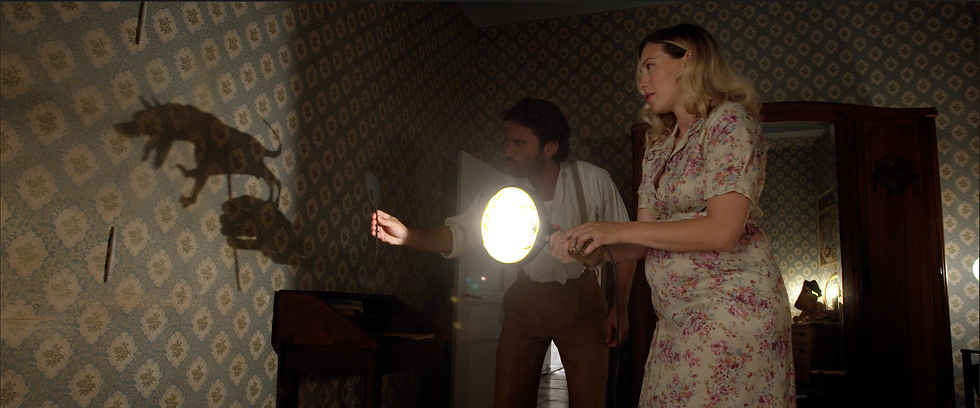
The title, Shadow of the Beast, serves as our visual leitmotif. Shadows, whether projected on a wall or cast by the flickering fires of the village, are the film's primary language. We use shadow puppetry and silhouetted forms to blur the lines between the mythical monster and the soldiers of the Occupation. This visual grammar allows the horror to remain suggestive and atmospheric, echoing the way a child perceives what he cannot fully understand.

The Technical Canvas: Practical Light and Effects
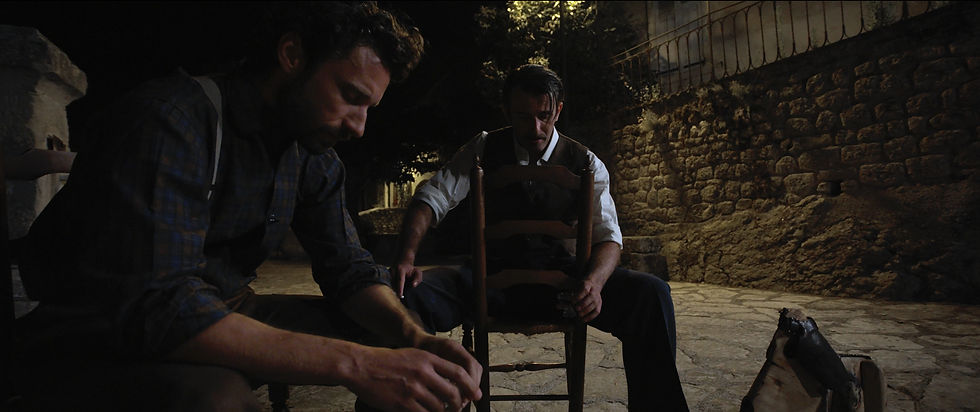
To maintain the integrity of the period setting and the freedom of the moving camera, the cinematography relies almost exclusively on practical lighting. Whether it’s the warm glow of a lamp, the harsh flicker of a projector, or the hellish orange of the finale, the light must exist within the world of the film. This culminates in the final scene, where we rely on complex practical effects to "set the village ablaze." This tactile, physical approach to fire and smoke ensures that the tragedy feels grounded and terrifyingly real.

A Sensory Symphony
An original score will serve as the emotional heartbeat of the film, bridging the gap between Louis’s whimsical inner world and the cold reality of the war. Ultimately, Shadow of the Beast is a tribute to the resilience of childhood. It is a story about the moment we realize that the most terrifying monsters don't have fur or claws. They wear boots and carry rifles.